Unveiling your fundamental freedoms
Freedom of press and speech in the United States, guaranteed by the First Amendment, prohibits government restriction on expression, covering both spoken words and the press, including digital media. This right is foundational to democracy, protecting unpopular, critical, and hateful speech from government censorship, with limited exceptions like true threats or incitement. This is why understanding your rights is paramount.
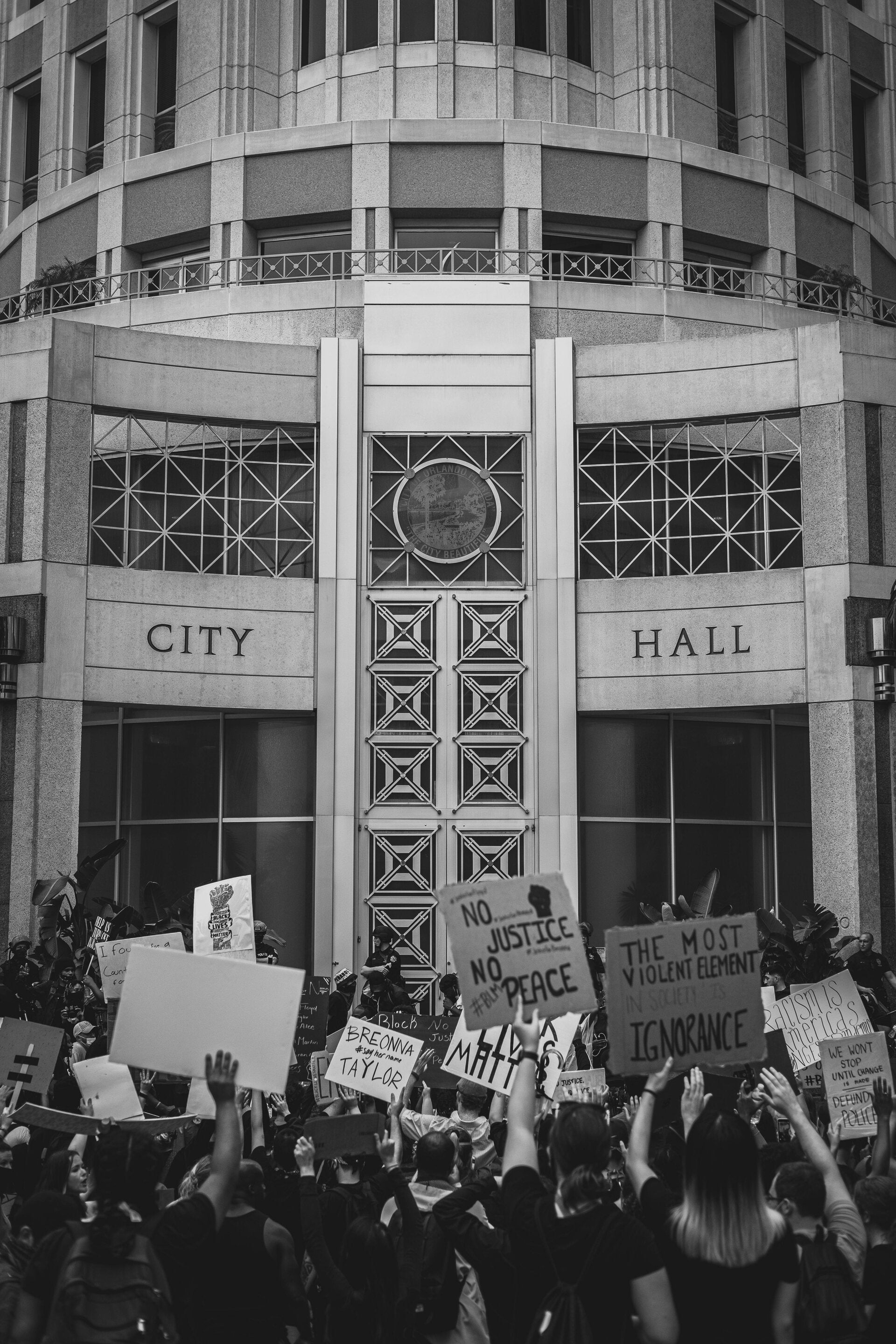
The intricate balance of expression
Legal compromises to freedom of speech and press often occur through Supreme Court rulings upholding restrictions on speech deemed dangerous, obscene, or defamatory, and through instances of journalists being detained or subjected to legal action. Key examples include the upholding of convictions for anti-government speech (e.g., Whitney v. California), the restriction of student speech, and the punishment of speech inciting illegal action. Instances like journalists being detained while covering protests (e.g., during events in Ferguson, Missouri) underscore the real-world pressures on press freedom. Furthermore, individuals have faced legal repercussions for their speech, such as [Example: a student disciplined for off-campus social media posts that were deemed threatening]. Similarly, news organizations and journalists have been held accountable for libel or reporting unverified information, as seen in cases involving [Example: a local news outlet being sued for defamation after publishing an unverified claim]. These situations demonstrate how the government, through court decisions or law enforcement actions, can restrict what is said or published, even when it relates to public discourse, highlighting the crucial limits to free expression.

Deepening your understanding
Awareness of First Amendment rights (speech, religion, press, assembly, and petition) is best found through educational organizations, digital resources, and museums, including the Freedom Forum's "Where America Stands" survey, the First Amendment Watch at NYU, and the First Amendment Museum. These platforms provide legal analysis, historical context, and interactive tools, making complex legal concepts accessible to everyone. Explore these resources to gain a deeper insight into the protections and responsibilities that come with these fundamental freedoms.
Your role in a free society
Understanding the historical context and inherent limits of free speech and press profoundly impacts our civic engagement. It empowers us to discern credible information, challenge misinformation, and actively participate in public discourse with a stronger sense of responsibility. Recognizing that these freedoms are not absolute but come with important caveats—such as prohibitions against true threats, incitement to violence, or defamation—helps us appreciate their delicate balance. This knowledge equips us to advocate for these rights thoughtfully, ensuring they remain robust for future generations, and reminds us that while speech is free, its responsible exercise is a continuous civic duty.
Create Your Own Website With Webador