Navigating the lines: Press freedom and libel
In America, the First Amendment safeguards our ability to speak and publish freely. Yet, this freedom isn't boundless. This is where libel laws come into play, acting as a crucial check to prevent the malicious abuse of free speech that would destroy reputations. Our journey here is to understand this delicate balance, exploring how these laws prevent undue harm while simultaneously ensuring that honest reporting and public discourse are not stifled.
Libel is a form of defamation expressed in a permanent, published medium such as writing, pictures, or online posts that injures a person’s or entity's reputation. To be considered libelous, the statement must be false, presented as fact, and published to a third party. It differs from slander, which is spoken defamation.
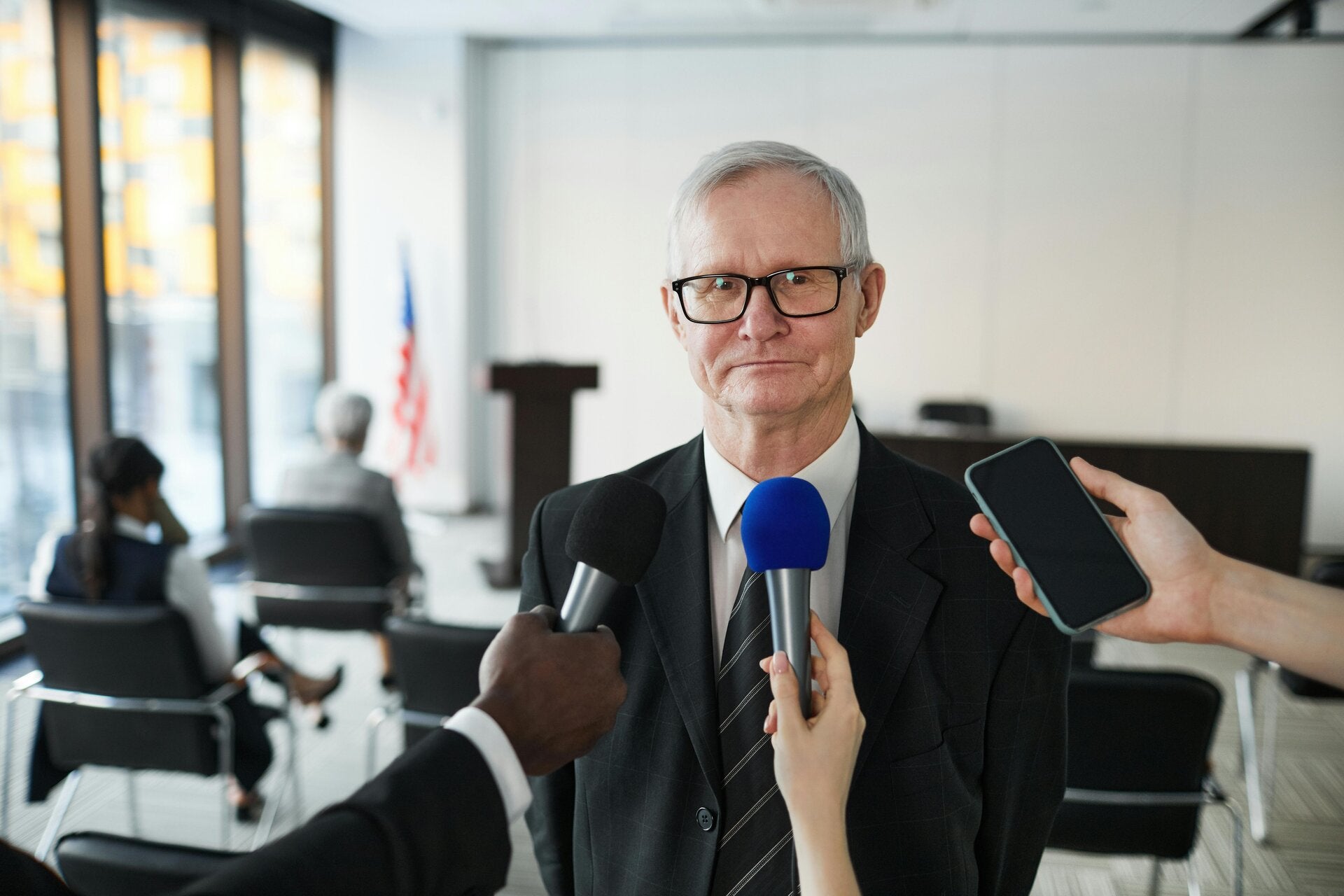
Understanding the balance: Why it matters
This forum is dedicated to anyone seeking a deeper understanding of the limitations on freedom of speech in America. It is extremely important to grasp these nuances, as they fundamentally shape how information is shared, debated, and consumed. By recognizing the boundaries, we can better appreciate the power and responsibility that come with our fundamental rights, ensuring a more informed and robust public discourse.

When words wound: Real-world implications
Real-life cases vividly illustrate the complexities of defamation and the repercussions of unchecked speech. The highly publicized Johnny Depp v. Amber Heard trial in 2022, for instance, highlighted complex issues of mutual defamation in the age of social media. A jury found both parties liable for defamation, serving as a powerful reminder of how intricate and impactful libel claims can be, even for public figures navigating public opinion and digital platforms.

Your voice, your responsibility
At Why does speech cost if it's free in America?, we delve into these critical questions. Understanding the history and limits of the freedoms of the press and speech profoundly impacts how we engage with information, express ourselves, and participate in public life. It empowers us to discern credible reporting from malicious falsehoods and to exercise our own speech responsibly, contributing to a more informed and just society. To learn more about your protections, you can visit our understanding your rights page.
Create Your Own Website With Webador